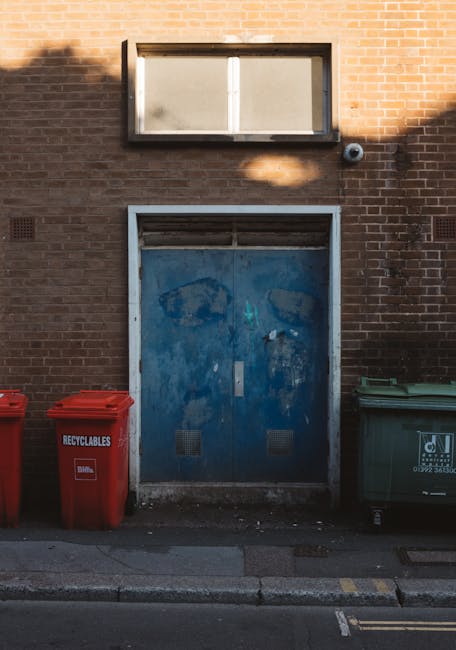
Peckham Rye estate rubbish removal times and costs
If you live on or near the Peckham Rye estate, rubbish can build up faster than you expect. One broken wardrobe, a renovation strip-out, a weekly clear-out after a move, and suddenly the hallway is awkward, the lift smells a bit stale, and you are wondering how quickly it can all be gone. This guide explains Peckham Rye estate rubbish removal times and costs in plain English, so you know what to expect before you book, what affects price, and how to avoid the usual headaches.
We'll cover how rubbish removal typically works on the estate, how long different jobs can take, what makes costs rise or fall, and the small practical details that often matter more than the headline price. A little planning goes a long way here. Truth be told, that is often the difference between a smooth same-day clear-out and an avoidable delay.
Table of Contents
- Why Peckham Rye estate rubbish removal times and costs Matters
- How Peckham Rye estate rubbish removal times and costs Works
- Key Benefits and Practical Advantages
- Who This Is For and When It Makes Sense
- Step-by-Step Guidance
- Expert Tips for Better Results
- Common Mistakes to Avoid
- Tools, Resources and Recommendations
- Law, Compliance, Standards, or Best Practice
- Options, Methods, or Comparison Table
- Case Study or Real-World Example
- Practical Checklist
- Conclusion
- Frequently Asked Questions
Why Peckham Rye estate rubbish removal times and costs Matters
On a busy estate, timing is not a side issue. It is usually the whole game. Shared access, stairwells, lift availability, parked cars, neighbours coming and going, and limited waiting space all affect how quickly rubbish can be collected. If a clearance crew cannot park close enough, or if you need to wait for a service lift, the job may take longer than a standard house clearance on a quiet street.
That matters because time often feeds directly into cost. Many rubbish removal jobs are priced by load size, labour time, access difficulty, and disposal type. In other words, the same pile of waste can cost less in a ground-floor flat with easy parking and more in a top-floor estate flat where every item has to be carried down several flights. It's not glamorous, but it is very real.
The other reason this topic matters is peace of mind. If you know the likely removal window and the way pricing is built, you can choose the right service instead of overpaying or booking a slot that doesn't fit your day. For residents who need a broader clearance, it can also help to compare related options such as flat clearance, home clearance, or even furniture disposal if the load is mainly bulky household items.
Expert summary: On Peckham Rye estate, the best value usually comes from being clear about access, item type, and how much waste is ready to go before the team arrives. Small details can change both the duration and the bill more than people expect.
How Peckham Rye estate rubbish removal times and costs Works
Most rubbish removal jobs follow a simple pattern: you describe the waste, the provider estimates the load and access, then the crew arrives, loads everything, and disposes of it properly. The detail, of course, is in the bits in between.
Typical timing
For small clearances, the work may only take a short visit if access is straightforward and the waste is already grouped together. Bigger jobs can take much longer, especially if the team has to sort mixed waste, dismantle furniture, or carry items through narrow communal spaces. A one-room flat clearance might be done fairly quickly; a full estate flat with heavy furniture and builder's debris is another story.
Some bookings can be arranged for the same day or next day, depending on availability, but the real timing question is on-site duration. A tidy, well-prepared collection can feel almost brisk. A messy one can drag. A job that looks like thirty minutes on the phone may become an hour or more once everyone is navigating bins, stairwells, and awkward sofas. Happens all the time.
What affects cost
Costs usually reflect a mix of:
- volume of rubbish
- type of waste
- weight of the load
- access and parking
- labour required to move items
- special disposal needs
- time on site
For example, a few black bags and a broken chair are a different proposition from a stripped bathroom, a pile of tiles, and an old sofa. If you are disposing of mixed household items, a service like rubbish removal or rubbish clearance is often a better fit than trying to handle it piece by piece yourself.
Why estate access changes the equation
Estate jobs often involve shared entrances, controlled parking, and limited loading areas. That can slow the crew down even when the waste pile itself is not large. A lift that is shared with residents, a tight turning area, or a queue for the service bay can all add friction. Not a catastrophe, just a fact of life on many London estates.
If the waste includes larger household pieces, such as beds or armchairs, a service focused on bulky items like sofa removal may be useful to combine with broader rubbish collection. That can save you from arranging multiple visits for the same flat.
Key Benefits and Practical Advantages
The obvious benefit is simple: your space becomes usable again. But there are a few more practical gains that matter just as much.
- Less stress: You avoid the slow drip of trying to sort and carry waste in your own time.
- Cleaner shared areas: Fewer items waiting in communal hallways means fewer complaints and less clutter.
- Faster move-outs: If you are leaving the estate, an efficient clearance can make handover easier.
- Safer handling: Heavy or awkward items are moved by people used to doing it.
- Better cost control: Knowing the likely times and costs lets you budget with fewer surprises.
There is also a quieter advantage: it helps keep the whole job emotionally lighter. Anyone who has stood in a room surrounded by old furniture, broken shelving, and a full bin bag mountain knows the feeling. Once the clutter starts leaving, the room changes almost at once. More light, more space, less noise in your head. A bit dramatic, maybe, but not really.
For landlords, managing agents, and local businesses, this matters too. If you need repeat visits or a more structured arrangement, a service like business waste or office clearance may be more appropriate than a one-off domestic booking.
Who This Is For and When It Makes Sense
This kind of rubbish removal makes sense for a lot of different people on and around Peckham Rye estate.
- Residents clearing a flat: Ideal after a tenancy ends, before decorating, or after a long overdue tidy-up.
- Families downsizing: Useful when too much has accumulated over the years and the move date is close.
- Tenants moving out: Especially helpful when bulky items need to be removed quickly.
- Homeowners doing a refresh: Good for old furniture, packaging, and general household waste.
- Trades and renovators: Necessary if you have builders' debris, timber, plasterboard, or mixed construction waste.
If the job is more domestic and less about random rubbish, you may want to look at house clearance or home clearance. If it is mostly leftover materials after work, then builders waste is the more natural match.
When does it make sense to stop thinking and just book? Usually when the pile is getting in the way of normal life. If you are stepping over boxes, if the spare room is no longer spare, or if the hallway has turned into a storage zone, that's your sign. Simple as that.
Step-by-Step Guidance
If you want the smoothest possible rubbish removal on Peckham Rye estate, this is the sequence that usually works best.
- Sort the waste by broad type. Separate general household rubbish, furniture, garden waste, and building debris where possible.
- Check access. Note whether there is a lift, stairs only, loading restrictions, or difficult parking.
- Measure large items. A sofa, mattress, or wardrobe can affect labour time more than the amount of bagged waste.
- Take a quick photo set. A few clear pictures help the provider estimate the job more accurately.
- Ask about the likely time on site. This is especially important if you need to work around neighbours, work calls, or building access windows.
- Confirm what is included. Make sure labour, loading, transport, and disposal are all understood before the team arrives.
- Prepare the route. Move small obstacles, unlock gates if needed, and keep communal areas clear.
A small practical note: if the waste is coming from a garage, shed, or storage space, a dedicated garage clearance service can sometimes be better than a standard rubbish collection. It usually means less back-and-forth and a more realistic estimate.
And if you are clearing outdoor waste too, garden clearance may fit better than trying to fold it into a mixed job. That said, mixed loads are common. Real life is rarely tidy.
Expert Tips for Better Results
A few small decisions can make a surprisingly big difference to the final price and the amount of time the crew needs.
- Be honest about volume. Underestimating the load tends to create delays and awkward price changes.
- Keep items together. A neat pile is quicker to load than waste spread across several rooms.
- Separate reusable items. If something is still good, remove it before the clearance day so it does not get mixed in.
- Plan around estate traffic. Mid-morning or mid-afternoon can sometimes be easier than school-run hours or the busiest commuter periods.
- Check whether the load is mixed. Mixed waste can take longer to sort and may be priced differently.
One thing people often forget is dismantling. An oversized wardrobe that looks simple enough may need to be broken down before it can be moved safely. If you can do that beforehand, great. If not, let the crew know. No drama, just better planning.
If you are moving out of a flat, combining furniture, bin-bag waste, and a few household odds and ends into one clear list can make the booking more accurate. That is where a broader service like flat clearance often saves time and a bit of money compared with handling every item separately.
Common Mistakes to Avoid
These are the missteps that most often lead to unexpected costs or slow collections.
- Leaving the booking too vague. "A few bits and pieces" is not enough detail for a reliable estimate.
- Forgetting access issues. Stair-only access or hard-to-reach parking changes the job.
- Mixing prohibited or awkward items into the load. Special items often need separate handling.
- Not checking whether everything is ready. A collection crew cannot move what is still buried behind boxes or furniture.
- Assuming all waste is priced the same. Heavy rubble, clean household items, and bulky furniture are not identical in cost.
Another common one: people wait until the last minute, then want a magic same-hour fix on a busy day. Sometimes that works. Often it doesn't. Better to book early if you can, especially if your move-out or handover deadline is fixed.
If the job is mainly one bulky item or a few large pieces, a specific service such as furniture disposal or sofa removal may be cleaner and cheaper than asking for a full mixed clearance. Match the service to the waste. It really does help.
Tools, Resources and Recommendations
You do not need special equipment for most bookings, but a few simple tools make the whole process easier.
- Phone camera: Photos help with quoting and reduce back-and-forth.
- Tape measure: Handy for sofas, wardrobes, bed frames, and appliances.
- Marker labels: Useful if you are separating keep, donate, and remove piles.
- Bin bags or sacks: Good for light loose waste and small items.
- Spare gloves: Helpful if you are doing a first pass before the crew arrives.
For most residents, the best "resource" is actually clarity. The more you know about the waste and access, the more useful the quote becomes. If you want to read more about the company's approach and service style, the about us page is a sensible place to start. For booking or service questions, contact us is the obvious next step.
If you are clearing waste from nearby parts of South East London as well, the area pages for Southwark, Lewisham, and Camberwell can help you understand the wider local service coverage.
Law, Compliance, Standards, or Best Practice
Rubbish removal is not just about getting things out the door. There is a compliance side too, and it matters. Waste should be handled and disposed of responsibly, and you should be confident that anything removed from your property is dealt with through proper channels. In the UK, that usually means using a provider that follows recognised waste handling practices and can manage disposal appropriately.
On estates, there is also the practical side of shared-space etiquette. Do not leave waste in communal hallways, do not block fire routes, and do not assume neighbours will be fine with bags sitting out overnight. They usually are not, and fairly so. If your building has management rules about access, loading times, or use of lifts, check them in advance.
For trade waste, the expectations are even more important. Construction debris, mixed renovation waste, and business-related rubbish can require a different approach from domestic items. If your job is more commercial, look at business waste or, where the situation calls for it, waste disposal as part of a broader planned clearance.
Best practice is simple enough: describe the waste accurately, keep access clear, do not mix up different waste types unless the provider agrees, and make sure the job is priced in a way you understand. That is the real safeguard.
Options, Methods, or Comparison Table
There are a few ways to deal with rubbish on Peckham Rye estate. The right one depends on volume, urgency, and what kind of waste you have.
| Option | Best for | Typical timing | Cost style | Notes |
|---|---|---|---|---|
| One-off rubbish removal | Mixed household waste, odd items, quick clear-outs | Often same day or next day if available | Usually based on load size and labour | Good all-round choice for estate flats |
| Flat clearance | End-of-tenancy, downsizing, full room clearances | Short booked visit, depending on access | Usually broader and more variable | Useful when there is furniture and general waste together |
| Furniture disposal | Sofas, tables, wardrobes, beds | Often quick if items are ready | Usually item-based or load-based | Best for bulky pieces that dominate the job |
| Builders waste | Renovation debris, rubble, timber, plasterboard | Can take longer if heavy or mixed | Often affected by weight and type | Best kept separate from household items where possible |
| Garden clearance | Green waste, branches, soil, outdoor clutter | Fairly quick when gathered neatly | Usually volume and labour driven | Helpful if balconies, terraces, or small gardens are involved |
What this table really shows is that the cheapest-looking option is not always the cheapest in practice. If you book the wrong kind of service, you may need a second visit or spend longer explaining the job than getting it done. Nobody wants that.
Case Study or Real-World Example
Here's a realistic example from the kind of job many Peckham Rye estate residents face. A two-bedroom flat needed clearing before a move. The items included a sofa, a bed frame, a mattress, a broken chest of drawers, several bin bags, and a few bits of packaging from recent purchases. The resident also needed the job done on a weekday, with limited time between work and the moving van.
The main factors were not the number of items alone. It was access, timing, and the fact that the bigger furniture had to come down shared stairs. The resident sent photos in advance, grouped the waste into one area, and checked the building's access rules before booking. That made the visit much smoother. The crew could plan the load properly, and the flat was cleared in one go rather than in pieces.
The lesson is pretty straightforward: when the waste is organised, the estimate is better, the removal is quicker, and the day feels much less chaotic. You can almost hear the relief when the last item goes, and the room finally looks like a room again. Small win, but a real one.
Practical Checklist
Use this checklist before your booking.
- Identify the main waste types
- Take photos of everything to be removed
- Measure large or awkward items
- Check parking and lift access
- Confirm whether the job is domestic or trade-related
- Group the waste in one place if possible
- Clear the route from the flat to the exit
- Make sure fragile or valuable items are removed first
- Ask how pricing is likely to be calculated
- Check whether a specialist service like rubbish collection or waste clearance is the better fit
A bit of preparation here can save a surprising amount of time later. Honestly, it's one of those tasks that feels dull right up until it saves you from a headache.
Get a free quote today and see how much you can save.
Conclusion
Peckham Rye estate rubbish removal times and costs come down to three simple things: what you are removing, how easy it is to reach, and how well you prepare before the team arrives. If you understand those pieces, the rest becomes much easier to manage.
For a small job, the removal may be surprisingly quick. For a larger clearance, the time and price will naturally reflect the labour, access, and waste type involved. Neither is a problem if you know what you are booking. That is the real value of planning it properly.
Whether you need a single bulky item removed or a full flat cleared, the best approach is always the same: be specific, be realistic, and choose the service that matches the waste. It makes the day calmer, the quote clearer, and the whole process far less of a faff.
Frequently Asked Questions
How long does rubbish removal usually take on Peckham Rye estate?
It depends on the amount of waste, the floor level, and how easy access is. A small job can be fairly quick, while a larger flat clearance or heavy furniture removal may take longer than you expect.
What affects Peckham Rye estate rubbish removal costs the most?
The biggest factors are usually load size, waste type, labour time, and access. If the crew has to carry items a long way or deal with heavy mixed waste, the cost may rise.
Can I get same-day rubbish removal on the estate?
Sometimes, yes, if there is availability. Same-day slots are more likely for straightforward jobs and less likely when the load is large or access is awkward.
Is it cheaper to book a flat clearance or a general rubbish removal?
It depends on what you need removed. A general rubbish removal may suit a smaller mixed load, while a flat clearance can be better value if you are removing furniture and lots of items together.
Do I need to sort the rubbish before the crew arrives?
It helps a lot. You do not need to organise everything perfectly, but grouping items together and separating obvious categories can make the job faster and easier to price.
What if I have furniture as well as rubbish?
That is very common. Furniture disposal or sofa removal can be combined with a broader rubbish clearance if the provider agrees and the load is described clearly in advance.
Are there extra costs for stairs or difficult access?
There can be, because difficult access usually means more labour and more time on site. Always mention stairs, lifts, parking limits, and long walking distances before booking.
Can builders waste be removed from a Peckham Rye estate flat?
Yes, but it should be described accurately. Builders waste is heavier and often more awkward than household rubbish, so it may need a different pricing approach.
What is the best time of day to book rubbish removal on an estate?
That often depends on building access and local traffic. Mid-morning or mid-afternoon can sometimes be easier, but the main thing is choosing a slot that fits your access arrangements.
How can I avoid surprise charges?
Give clear photos, describe the waste honestly, mention access problems, and ask how the price is calculated. That simple bit of honesty saves trouble later.
Is rubbish removal suitable for landlords and letting agents too?
Yes. It is often useful for end-of-tenancy clearances, move-outs, and void-property preparation. If the job is ongoing or commercial, business waste or office clearance may be more appropriate.
What should I do with recyclable or reusable items?
Remove them before the clearance if you can. If something can be donated, reused, or kept, separating it early helps the rest of the job move faster and can sometimes reduce the amount of waste being taken away.